January 5, 2026
Room rates are at record highs, but so are guest expectations. The amenities that defined a "great stay" two years ago - a flat-screen TV, free Wi-Fi after a paid upgrade, a printed welcome letter - no longer move the needle. Today's traveler decides within minutes whether your hotel feels modern, transparent, and worth the price.
The right hotel amenities are how you win that decision before check-in, during the stay, and on the review afterward. This guide breaks down the 16 hotel amenities that matter most in 2026, why each one earns its place, and how to map them to the property tier you actually operate.
Hotel amenities are the features, services, and small touches a property offers to make a guest's stay more comfortable, convenient, and memorable - from in-room essentials and connected entertainment to on-site dining, wellness facilities, and digital services.
Amenities split into two camps. Complimentary amenities are included in the room rate. Fee-based amenities are billed separately - and as of May 2025, every mandatory fee must be disclosed at the point of booking in the United States.
The line between the two has shifted: Wi-Fi, parking, and bottled water increasingly belong on the complimentary side, while curated experiences justify a premium. Knowing which side each amenity sits on - at your property tier - is the foundation of a 2026 amenity strategy.
Amenities are no longer a brand-experience footnote; they are a measurable line of revenue defense. In the J.D. Power 2025 North America Hotel Guest Satisfaction Index, 40% of guests named a smart TV with streaming a "need to have" - up from 21% in 2019. Investment-heavy categories like room furnishings, bathroom fixtures, and bed comfort showed the largest year-over-year satisfaction gains.
The performance gap between segments is now visible at the portfolio level. According to the PwC 2026 hospitality outlook, the luxury segment posted year-to-date RevPAR growth of 5.3% through August 2025, while the economy segment declined 1.8%.
The takeaway is simple: amenities are the wedge between segment-leading performance and falling behind.
Different tiers compete on different amenities. The same in-room espresso machine that delights a budget traveler reads as table-stakes at a luxury resort. Use the matrix below as a quick reference for the minimum viable, competitive, and differentiating amenity stack at each tier.
| Category | Budget | Mid-Scale | Boutique | Luxury |
|---|---|---|---|---|
| Bathroom | Single-use toiletries, basic towels | Branded toiletries, hairdryer | Refillable dispensers, robes, premium toiletries | Bespoke amenity kit, deep tub, heated floors |
| Bedding | Clean sheets, standard pillows | Mid-density mattress, choice of pillows | High-thread-count linens, pillow menu | Bespoke mattresses, turn-down service |
| Connectivity | Free basic Wi-Fi | Free Wi-Fi, multiple outlets | Fast Wi-Fi, USB-C bedside, casting | Mesh Wi-Fi, in-room tablets, smart-room controls |
| Entertainment | Smart TV with major streaming apps | Smart TV + casting | Smart TV, casting, curated content | Smart TV, casting, on-demand content, in-room cinema |
| F&B | Coffee/tea station | Grab-and-go pantry, breakfast included | Lobby bar, signature breakfast | Signature restaurant, in-room dining, mini bar curated by chef |
| Wellness | None or basic gym | Gym, vending wellness items | Boutique gym, yoga mat in room | Full spa, fitness studios, recovery treatments |
| Service touchpoints | Self check-in optional | Mobile check-in, digital concierge | Personalized welcome, app-based service | 24/7 concierge, butler, app + tablet + human |
Read the table as a ladder: each tier should at minimum cover the cell to its left, then add the differentiator that defines its segment.
The amenities a guest actually touches during a stay live inside the room. These are the five that anchor every modern in-room amenity stack.
A comfortable mattress, crisp sheets, and a choice of pillows still rank as the single highest-leverage amenity in guest satisfaction surveys. Bedding is also one of the easiest categories to upgrade incrementally - a pillow menu costs little and lifts the perception of personalization noticeably.
The bathroom is where many luxury cues are won or lost. Refillable dispensers are now the credible alternative to single-use bottles - they cut waste, signal sustainability authentically, and reduce stockroom complexity. Pair them with plush towels, a hairdryer, a magnifying mirror, and (at boutique and luxury tiers) a robe and slippers.
Smart lighting lets a guest set the scene the moment they walk in. Bedside scene presets - "relax", "movie", "good night" - feel custom-tailored even on a brand-standard build, and they integrate cleanly with the rest of your in-room technology stack.
Guests want to order food, adjust the climate, or request housekeeping without picking up the phone. The Skift and Oracle Hospitality in 2025 report found that 77% of guests are interested in automated messaging services, and more than half expect contactless check-in and check-out. A single in-room voice or app control layer covers both.
The classic mini bar is being reframed. A complimentary bottle of water, a coffee/tea station, and one or two free snack items now read as standard hospitality at every tier. Reserve the paid mini bar for premium and curated local items where a clear value story justifies the line on the folio.
Technology amenities are where 2026 separates a refurbished property from a competitive one. These are the four that have the highest impact for the lowest capex.
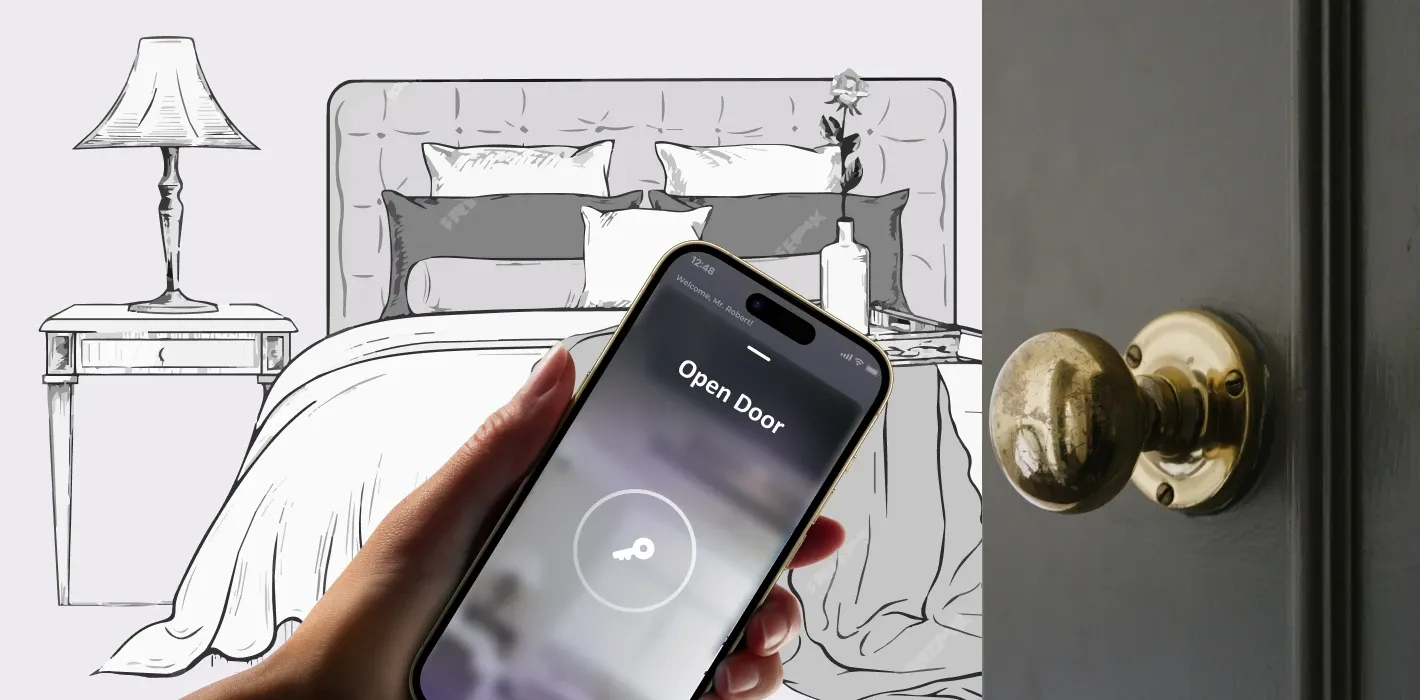
Mobile keys delivered to the guest's phone, kiosk check-in for walk-ins, and frictionless mobile check-out are now expected - not a perk. The smart-hotel-management layer behind them ties into your PMS so the front desk team is freed to handle exceptions and high-touch moments. HotelSmarters' mobile self check-in and smart hotel management capability deliver this end to end.
Personalization is the highest-rated guest-experience priority for hotel leadership. Hospitality Net coverage of the 2025 State of Hotel Guest Tech cites that 58% of guests say personalized offers improve their stay and 52% of hotel executives plan to prioritize AI-driven personalization over the next three years. Done well, AI quietly remembers preferences - pillow type, dietary restrictions, preferred dining slot - and surfaces them at the right moment through the hotel guest app or in-room screen.
The JD Power numbers above tell the story: a smart TV with streaming has become the single most-requested in-room amenity. The bar is no longer "we have Netflix" - it is fast app launches, casting from a guest's own device, multilingual content, and curated local recommendations on the home screen. Casting in particular matters for business travelers and international guests who want to watch content from their home country. HotelSmarters' in-room casting solution makes that work cleanly across Chromecast-style and BYOD flows, and connects to the rest of the entertainment options on the same screen.
A tablet beside the bed and a digital screen in the lobby extend the amenity beyond the TV. The tablet handles service ordering and concierge requests in any language; the screen welcomes the guest by name, points to dining hours, and promotes spa availability. HotelSmarters delivers both - in-room tablets and digital signage - on the same platform as the TV.
The most memorable parts of a stay often happen outside the room. These four on-site amenities define how guests feel about the property between bookings.
Wellness is the fastest-growing amenity category in hospitality. The Global Wellness Institute puts the global wellness economy at $6.8 trillion in 2024, forecast to reach $9.8 trillion by 2029. The lodging segment holds the largest slice of wellness tourism - 23.3% of the market in 2025 according to Grand View Research. Spas alone are an $88 billion industry projected to reach $260 billion by 2030. Even minor wellness offerings - a quiet stretch space, a guided breathing program on the TV, IV therapy on demand - drive measurable revenue lift.
A signature restaurant, a rooftop bar, or a thoughtful breakfast that highlights regional cuisine turns a stay into a memory. Guests increasingly want to taste the destination, not the global chain. Even a small property can lean into this by partnering with local bakeries, coffee roasters, or producers and giving them visible billing on the menu.
The line between business and leisure travel has dissolved. The bleisure travel market grew from $528 billion in 2024 to $581 billion in 2025 and is projected to hit $960 billion by 2030. 47% of American bleisure travelers specifically want accommodations with on-site co-working space. Bookable meeting nooks, lounge seating with reliable Wi-Fi and outlets, and quiet phone booths are now competitive amenities - not optional ones.
Even properties without a conference focus benefit from one well-equipped meeting room or breakout space. Reliable AV, a large screen, hybrid-meeting cameras with decent audio pickup, and easy room reservation through the guest app turn group bookings into a repeatable revenue stream.
Sustainability has shifted from intention to action. The Booking.com 2025 Travel and Sustainability Report found 93% of global travelers want to make more sustainable choices, and 100 million-plus room nights were booked in 2025 at properties with third-party sustainability certification. Yet 37% of travelers doubt the authenticity of sustainability claims - which means certifications now matter more than language.
Reclaimed wood, eco-certified paints, refillable amenity dispensers, and third-party certifications such as LEED, Green Key, or EarthCheck convert a sustainability claim from marketing into evidence. The certification is the proof. The materials are the experience guests notice.
LED lighting, smart thermostats, and water-saving fixtures lower operating costs and back the sustainability story with hard numbers. Smart-room platforms let you automate setback temperatures and lighting when a room is vacant - small adjustments that compound across a portfolio.
Accessible amenities are both a compliance baseline and a growth opportunity. ADA-compliant rooms, step-free routes, low-vision-friendly signage, induction loops for hearing assistance, and quiet sensory-friendly rooms expand who can comfortably book your property. Multilingual content delivered through the in-room TV or hospitality TV platform makes the same gain for international guests. Each of these touches communicates that your hotel was designed for the actual range of people who travel - not the median guest.
The 2025 FTC junk-fees rule, which took effect on May 12, 2025, requires US hotels and short-term lodging operators to disclose the total price up front - including any mandatory resort, destination, or amenity fee. Before the rule, the average resort fee ran about $33 per night, and nearly 70% of travelers reported frustration with unexpected charges.
Two strategic shifts follow. First, baseline amenities that guests already expect to be free - Wi-Fi, parking, bottled water - are best baked into the room rate when competitively possible. Second, any remaining fee should map to a visible, premium amenity the guest can name. Transparency is now both a regulatory requirement and a competitive advantage.
Practitioner discussion across travel forums and operator communities - the kind Google now surfaces on the first page for "hotel amenities" - keeps surfacing the same pattern, summarized in recent trade coverage of the JD Power data:
Treat this list as your scrap heap and your goldmine - one column to retire, one column to add.
Most of the high-impact amenities on this list - connected entertainment, smart-room controls, mobile check-in, AI-driven personalization, in-room tablets, and digital signage - share one operational truth. They need a single technology layer behind them. Otherwise the front desk juggles five logins, the housekeeping team can't see a guest's preferences, and the same data is keyed in three times.
HotelSmarters delivers that integration. The smart hotel room platform turns the in-room TV into a control hub for entertainment, service ordering, and hotel promotions; the hotel middleware layer ties it to your PMS so guest preferences and folio postings stay in one place. Guests cast from their own devices, unlock the door from a mobile key, order room service from the screen or app, and see your local recommendations in their language - all from the same platform. The result is fewer systems for your team and a more connected experience for every guest.
Get in touch with us to see how HotelSmarters powers the smart-room, casting, app, and signage layer behind 2026's best hotel amenities.
The trends shaping the next 24 months are already visible in the leading properties of every tier.
Classical hospitality paired with digital convenience is the dominant pattern - a warm human welcome at check-in, followed by a digital concierge that handles every routine request the rest of the stay.
Partnerships with local businesses - exclusive tours, regional event access, neighborhood discounts - turn the hotel into a doorway to the destination. Travelers increasingly book the place, not the brand.
Themed accommodations, distinctive design, and signature amenities that reflect the property's character become the reason a guest chooses you the second time.
The Internet of Things is moving from novelty to standard. Guests expect to control lighting, climate, and entertainment from a single interface. Properties that deliver this through smart room controls and a tightly integrated app feel modern. The ones that don't, feel dated.
The next 18 months will reward hotels that match their amenity stack to their tier, refresh stale categories with real personalization, and make the technology disappear behind a more human stay. HotelSmarters is built to power that layer - from connected TVs and casting to mobile keys, in-room tablets, and digital signage. Contact our team when you're ready to map these amenities to your property.
The most important hotel amenities for 2026 are connected entertainment with smart-TV streaming and casting, mobile check-in, AI-driven personalization, refillable bathroom amenities, on-site co-working space, certified sustainable practices, and transparent (no-surprise) fees. These are the categories that move both guest satisfaction and RevPAR.
Standard hotel amenities cover the essentials every guest expects - clean bedding, working Wi-Fi, a hairdryer, and basic toiletries. Luxury hotel amenities layer on personalization and service - bespoke mattresses, curated bath products, in-room tablets, app-based concierge, signature dining, and full spa facilities. The gap is less about price and more about how customized the stay feels.
Wi-Fi, parking (where land cost allows), bottled water, a coffee or tea station, and small snack items should be complimentary at every tier in 2026. Following the FTC's 2025 transparency rule, any mandatory fees that remain must be disclosed at booking - so it pays to fold expected basics into the room rate.
Unique hotel amenities that drive repeat bookings include handwritten welcome notes, complimentary local-snack baskets, "borrow if you forgot" charging cables, pet-welcome packs, sensory-friendly quiet rooms, in-room wellness programming, and casting from a guest's own device. Small, personalized touches consistently outperform generic luxury props in guest reviews.

Product Manager
Leads smart hotel tech products. Focused on interactive TV and PMS integrations. Turns guest needs into simple, effective solutions. Loves building products that improve hotel operations and enhance guest experience.