December 9, 2025
Dynamic pricing is one of the most powerful tools available to hoteliers today. By leveraging hotel dynamic pricing, you can use real-time data, such as market demand, seasonality, and local events, to intelligently adjust your room rates. This automated, efficient approach improves profitability, increases occupancy, and positions your hotel for long-term success in a competitive market.
From understanding dynamic pricing in the hotel industry to effectively implementing these tools for maximum impact, this guide covers everything you need to know.
Dynamic pricing uses algorithms to adjust hotel rates in real time, based on demand, supply, and external market factors.
If you've ever booked a flight where ticket prices shifted from one minute to the next, you've already seen dynamic pricing in action.
In hotels, this strategy allows revenue managers to maximize revenue by automatically increasing rates when demand surges - like during local events - while lowering prices during quieter periods to attract more bookings.
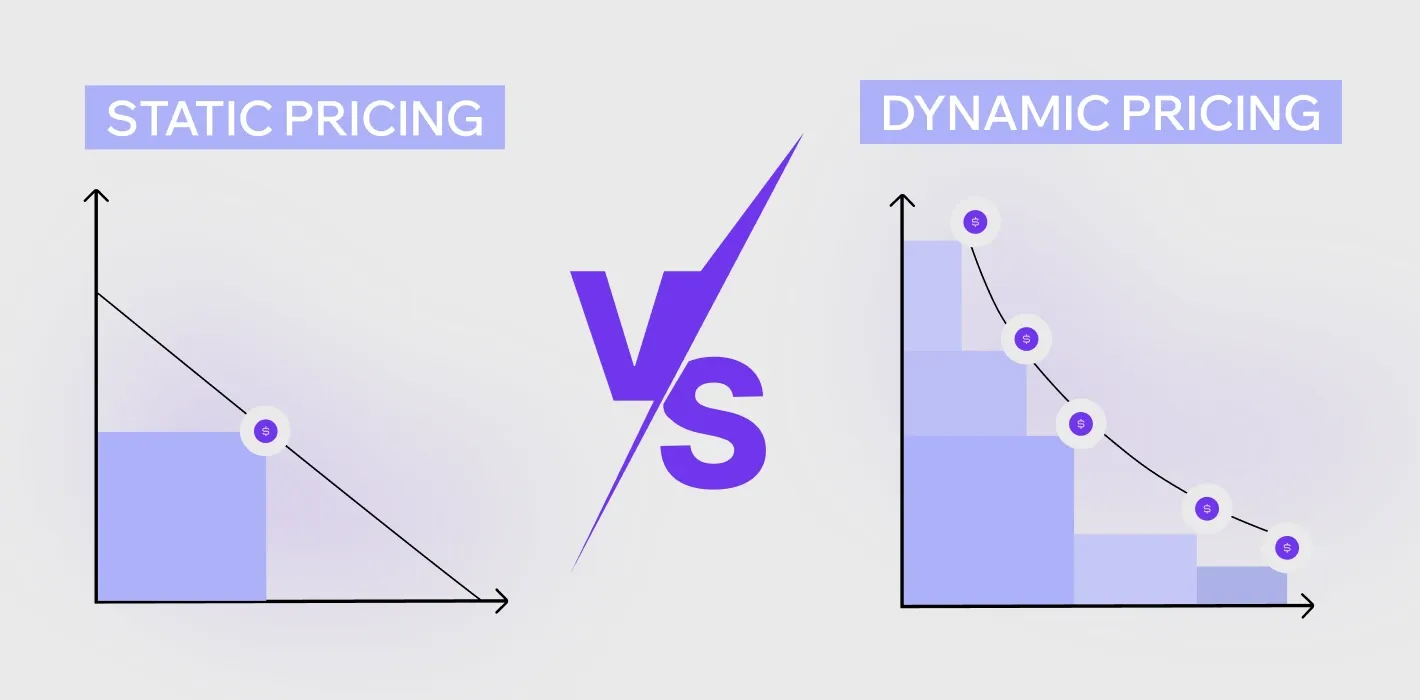
Dynamic pricing is more flexible than static pricing. Static pricing offers fixed rates regardless of market conditions. It may be predictable, but it limits profitability and strategic opportunities. Dynamic pricing, on the other hand, lets you adjust rates in real time, based on demand, competitor behavior, and other factors, ensuring rates match market value.
But dynamic pricing isn't exclusive to hotels. Industries like entertainment and ride-hailing use dynamic pricing to drive revenue and meet demand. Here are two notable examples that illustrate what hoteliers can learn:
During the Oasis reunion tour, hotel ticket prices surged from £148 to £355 in response to overwhelming demand. Similarly, Taylor Swift's record-breaking tours benefitted local hotels that raised their ADR (average daily rate) by nearly double in cities like Liverpool and Edinburgh, achieving over 90% occupancy.
Uber's surge pricing ensures availability when demand peaks-like during weekend events or rainstorms. Hotels can apply this same logic: Adjust rates to capitalize on high demand while offering discounts to fill rooms during slower times.
This flexibility is the cornerstone of every competitive hotel pricing strategy, enabling smarter, data-driven decisions.
Several factors determine how dynamic pricing works for your hotel. By analyzing and responding to these variables, you can implement an effective hotel room rate pricing strategy.
Demand spikes during major events, holidays, or peak travel seasons are opportunities to raise rates. During off-peak times, reduced rates attract bookings and maintain occupancy.
For example, during the 2023 Eurovision Song Contest in Liverpool, many hotels adopted dynamic pricing to address increased demand without overpricing and deterring bookings.
Monitoring competitors' rates ensures your property stays competitive without undervaluing its offerings. Ignoring price trends could mean losing guests or undervaluing high-demand periods.
Hotel dynamic pricing tracks guest behaviors. Early bookers might enjoy loyalty discounts for booking ahead of demand, while last-minute travelers are more than happy to pay premium rates to secure availability.
Rooms become more valuable the closer you are to full occupancy. Hotel dynamic pricing tools can recognize scarcity and raise prices for late availability while reducing rates to stimulate bookings when occupancy lags.
Dynamic pricing comes with several far-reaching benefits for hotels:
Conventional pricing strategies, such as setting flat rates across weeks or months, often leave potential revenue untapped. Dynamic pricing ensures that guests pay appropriately based on demand, whether during a peak festival or an off-season Tuesday.
Guests trust pricing that aligns with what they see in the market. For example, offering rates in sync with competitor hotels during a high-demand season establishes your property's credibility while avoiding underselling. Tools for hotel pricing strategies depend on dynamic algorithms to ensure this alignment.
By offering lower prices during low-demand seasons or to last-minute bookers, you can attract cost-conscious travelers. These strategies ensure you make the most of every room, reducing vacant inventory and increasing overall revenue.
Hotel dynamic pricing systems track traveler behavior, allowing you to predict demands like room type preferences, booking windows, or in-demand times. These insights inform broader hotel pricing strategies.
Getting started with dynamic pricing doesn't have to be a complex process. With the right tools and strategies, you can set your hotel up for dynamic pricing success.
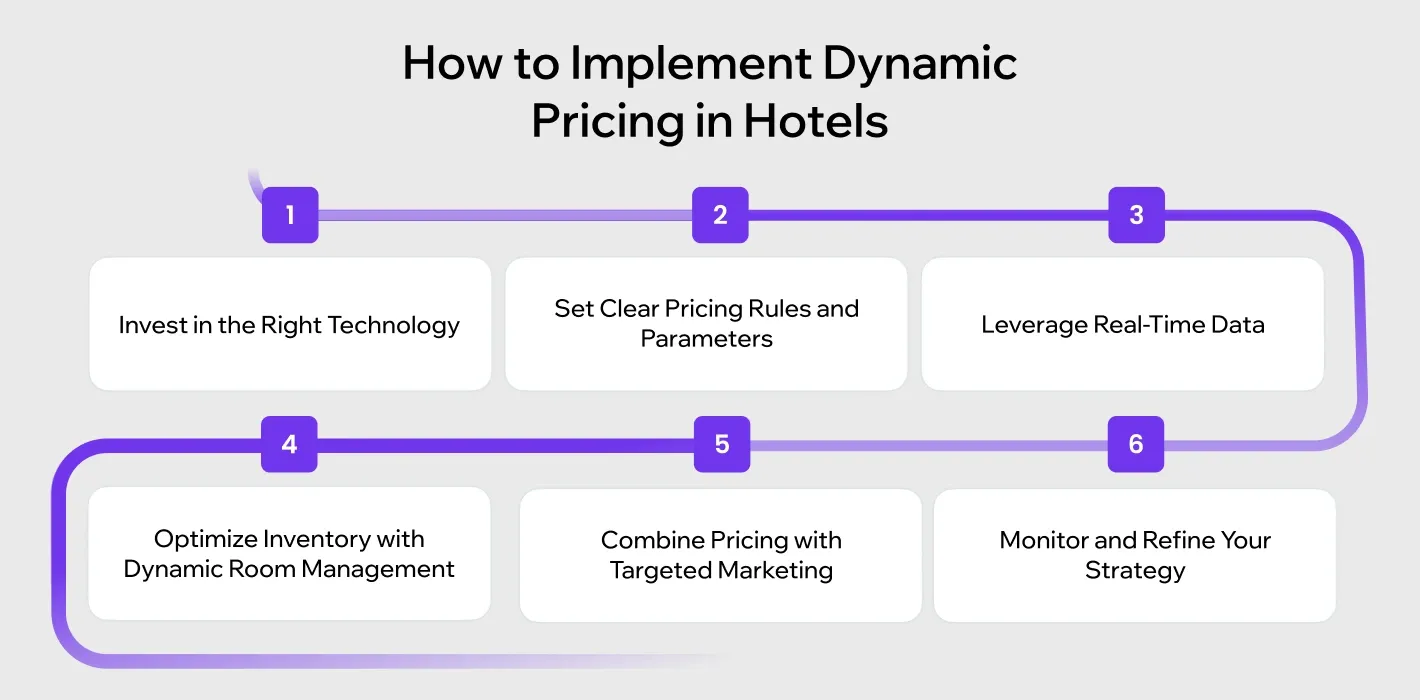
At the heart of any hotel's dynamic pricing strategy is the technology that drives it. A reliable Revenue management system (RMS) or dynamic pricing software is essential for automating pricing decisions, minimizing manual errors, and integrating seamlessly with your Property Management System (PMS).
What a Good Dynamic Pricing Solution Can Do:
Robust hotel operations software like HotelSmarters offers integrated revenue management tools that automate data collection and adjustment, ensuring you never leave money on the table.
Dynamic pricing doesn't mean random fluctuations - it requires a structure. Establishing clear rules ensures your pricing strategy remains consistent and aligned with your hotel's goals. Examples of pricing rules to consider include:
Occupancy-Based Adjustments
Increase room rates by 10% when occupancy exceeds 80%, and reduce them for extended weekend stays during low periods.
Seasonality Changes
Set higher prices for peak travel seasons (e.g., summer holidays) and more competitive rates for quieter months.
Event Pricing
Raise rates for dates that coincide with major local events like concerts, festivals, or conferences.
Last-Minute Offers
Create promotions for bookings made within 48 hours of check-in to fill unexpected gaps in your inventory.
By defining these rules upfront, you ensure pricing strategy stays data-driven and avoids reactive, inconsistent decision-making.
The success of dynamic pricing in the hotel industry depends on the ability to track and respond to real-time market conditions. Track local competitor activity, major events, and seasonality shifts. Adjust your pricing strategy frequently based on demand metrics to match or outperform the market.
For example, during U.S. presidential campaign rallies in 2024, hotels hosting relevant events experienced a significant boost in occupancy but failed to proportionally increase their ADR. With better dynamic pricing, hotels can capitalize more effectively on these kinds of traffic surges.
Dynamic pricing isn't just about tweaking nightly rates - it's also about tailoring offers based on your inventory and room availability. By segmenting your room categories and pricing them independently, you can maximize revenue while catering to varied guest segments. Here are a few tips worth noting:
Upsell Premium Rooms
If your standard rooms are filling quickly, increase rates on entry-level categories while keeping slight incentives for upgrades to premium suites.
Segmented Discounts
Offer discounted rates on underbooked room categories to specific guest segments, such as leisure travelers or corporate clients.
Create Bundled Offers
Package rooms with services like dining or spa experiences during slower booking periods to increase perceived value without dropping rates heavily.
Dynamic pricing works best when paired with targeted offers. Below are three popular approaches.
Flash Discounts
Limited-time flash sales create urgency, encouraging direct bookings before rates increase. These discounts work well during low-demand periods or to fill last-minute vacancies, ensuring steady occupancy without long-term rate reductions.
Loyalty Perks
Dynamic pricing doesn't have to discourage repeat guests-reward loyalty even when rates rise. Offer exclusive discounts, free upgrades, or bonus points for returning guests, fostering retention and encouraging direct bookings rather than OTA reservations.
Event-Specific Deals
Leverage local events by adjusting rates and bundling promotions. Cross-promote with concerts, festivals, or conferences, offering special early-bird rates, VIP packages, or bundled experiences that maximize revenue while providing added value to guests.
Dynamic pricing isn't a one-and-done exercise. It requires continuous monitoring and refinement. Dynamic pricing isn't static. Monitor key outcomes like RevPAR (revenue per available room), occupancy rates, and guest feedback often to fine-tune your strategy.
Transparency matters with dynamic pricing. Guests who understand why prices fluctuate (e.g., higher demand during a popular event) are more likely to trust your hotel and book directly in the future.
Real-World Example of Success
Take Disney's theme parks as an example. They use dynamic pricing to manage crowd levels, increasing ticket prices during peak weekends and offering discounts on slow weekdays. This ensures steady revenue and improves guest experiences. Hotels can adopt similar models for rooms, dining reservations, and services like spa bookings.
Dynamic pricing wouldn't be possible without the power of technology. Below, we explore some key technologies and their impact on pricing strategies.
At the heart of any hotel's dynamic pricing strategy is a revenue management system. These intelligent platforms gather and analyze real-time data to create pricing suggestions that align with market conditions. Revenue management softwares integrate seamlessly with property management systems (PMS), making it easier for hoteliers to:
With these tools, hotels gain a level of efficiency that manual price updates simply can't match.
Artificial intelligence (AI) takes pricing decisions to the next level. By processing vast amounts of data, AI can:
Cloud-based systems add another layer of agility by allowing hoteliers to track and update pricing anytime, anywhere. With always-on access, hotel operators can:
This on-the-spot flexibility allows hotels to capitalize on last-minute opportunities, such as a sudden influx of travelers due to a canceled train or unexpected event.
Dynamic pricing continues to evolve, and new trends are reshaping how hotels set and optimize their rates. Here's what the future holds:
Advancements in AI and machine learning are enabling highly tailored pricing strategies. Soon, hotels will adjust rates based on individual guest data, such as booking history, loyalty status, and preferences. For instance:
This level of personalization helps hotels build stronger relationships with guests while ensuring rates align with their willingness to pay.
Dynamic pricing is expanding to include more than just room rates. Nowadays, hotels are already applying this strategy to:
As travelers become more eco-conscious, hotels can use dynamic pricing to encourage sustainable choices like:
These pricing strategies not only align with sustainability goals but also appeal to socially responsible travelers.
AI is making demand predictions more accurate than ever. Tools powered by machine learning can analyze everything from weather patterns to local event buzz to anticipate demand surges.
For instance, Merlin Entertainments, the owner of Legoland and Alton Towers, uses machine learning to adjust ticket prices in real time during peak weekends. Imagine how powerful this technology will be for hotels wanting to optimize rates at short notice.
As dynamic pricing becomes more widespread, transparency will be key to maintaining guest trust. Negative backlash, like the uproar over Oasis concert ticket prices, shows why hotels must balance profitability with fairness. To succeed:
By focusing on transparency, hotels can use dynamic pricing as a tool to strengthen guest relationships while maximizing revenue.
Hotel dynamic pricing isn't slowing down-it's becoming smarter, more personalized, and more guest-friendly. Hotels that embrace these trends early will be better positioned to stand out, whether by offering unique pricing models, eco-conscious incentives, or greater value beyond the room itself.
Whether you're running a boutique property or overseeing a global chain, adopting a dynamic pricing strategy in the hotel industry keeps properties competitive and profitable well into the future.
Are you ready to optimize your operations, boost your revenue, and cut costs with top-tier dynamic pricing tools? Contact HotelSmarters to learn more.

Product Manager
Leads smart hotel tech products. Focused on interactive TV and PMS integrations. Turns guest needs into simple, effective solutions. Loves building products that improve hotel operations and enhance guest experience.