February 28, 2026
The hospitality industry is no longer just about offering a place to sleep - it's about creating experiences. Travelers today are looking for something beyond the generic hotel stay. They want curated experiences, modern design, and seamless technology that enhances their visit.
This is exactly where lifestyle hotels come into play.
But what exactly is a lifestyle hotel, how does it compare to traditional and boutique hotels, and - most importantly - what can hoteliers do to compete in this rapidly evolving space?
For hoteliers, adapting to lifestyle hotel trends has become a necessity. Guests no longer settle for basics. They want Instagrammable aesthetics, personalized service, local authenticity, and tech-driven convenience all in one package.
In this guide, we'll explain the meaning and definition of a lifestyle hotel, its key features, and how technology plays a crucial role in delivering the elevated guest experience that modern travelers expect.
A lifestyle hotel blends modern design, innovative experiences, and cutting-edge technology. Its goal is to provide accommodations and offer a curated, immersive experience that resonates with guests on a personal level.
Unlike traditional hotels, which focus on broad market appeal, lifestyle hotels cater to a specific demographic - typically millennial and Gen Z travelers who prioritize unique experiences over standardized stays. The key characteristics of a lifestyle hotel include:
In short, lifestyle hotels don't just provide a space to sleep, they create a space to experience.
Lifestyle hotels redefine modern hospitality by blending technology, design, and community-driven experiences. Unlike traditional hotels, they focus on personalization, aesthetic appeal, and eco-friendly practices, catering to today's tech-savvy and experience-seeking travelers.
Below are the standout features that make lifestyle hotels a preferred choice for modern guests.
Technology plays a crucial role in elevating the guest experience in lifestyle hotels with innovations like:
Unlike traditional hotels with a corporate brand identity, lifestyle hotels feature bold, character-rich interior design. Partnerships with local artists and designers ensure each property feels distinctively tied to its location.
Modern travelers, especially remote professionals and digital nomads, seek accommodations that provide opportunities for both work and social interaction. Lifestyle hotels cater to this need by incorporating:
Solar panels, waste reduction programs, and energy-efficient smart rooms set lifestyle hotels apart from traditional chains. Hotels that embrace green-certified initiatives appeal strongly to eco-conscious travelers.
The hospitality industry isn't one-size-fits-all. From high-end boutique hotels to traditional business hotels and trendy lifestyle hotels, each category caters to different guest expectations, budgets, and experiences.
But if you're a hotelier wondering how these segments compare - and whether repositioning your hotel into a lifestyle hotel is the right move - let's simplify what it all means.
| Feature | Lifestyle Hotel | Boutique Hotel | Traditional Hotel |
|---|---|---|---|
| Size | Medium to Large | Small | Medium to Large |
| Design | Contemporary, Inspired by Local Culture | Unique, Themed, High-End | Standard, Minimal Customization |
| Technology | Smart Rooms, IPTV, Keyless Entry | Some Tech, But the Focus is on Personalization | Basic Digital Offerings |
| Guest Experience | Modern, Social, Experience-Driven | Upscale, Highly Personalized | Functional, Essentials-Based |
| Flexibility & Pricing | Affordable Luxury, Loyalty Perks | Premium Pricing | Varies by Market |
| Target Audience | Millennials & Gen Z | Affluent, Experience-Seekers | Business & Budget Travelers |
If you're looking to modernize your hotel and attract younger, high-spending guests, transitioning into a lifestyle hotel might be the solution. But before making the shift, let's illustrate these differences with a real-world example: choosing between three hotels in New York city.
A guest starts looking for a hotel, and they come across three options:
The hotel has sleek, modern rooms with mobile-controlled lighting and smart TVs, and a co-working lounge. It offers locally sourced cuisine and an in-app concierge that provides personalized recommendations based on the guest's preferences. They're drawn to its affordable yet trendy vibe.
This small, independently owned property offers uniquely designed rooms, with each suite inspired by a different neighborhood in NYC. The decor is high-end, artistic, and intimate, and the hotel has a craft cocktail bar featuring exclusive recipes. However, its limited amenities (no gym or co-working spaces) and premium pricing make it a more niche and upscale luxury option.
A well-known chain hotel provides clean, comfortable, and efficient rooms at a reasonable rate. The rooms have basic designs, and while they may include a fitness center and an on-site restaurant, they lack personalization and creative experiences. However, business travelers and families appreciate its reliable, standardized services.
For hoteliers aiming to stay competitive in today's market, lifestyle hotels strike the perfect balance. They offer modern experiences without the high price tag of boutique luxury. If you operate a traditional hotel, evolving into a lifestyle hotel can help capture trend-conscious guests without losing the efficiency of standardized services.
If you're considering joining a hotel chain, opting for a lifestyle brand model like Moxy by Marriott, Canopy by Hilton, or Hyatt Centric can position your property for premium occupancy rates while remaining approachable to younger audiences.
Lifestyle hotels attract a diverse range of travelers who seek more than just a place to sleep. From experience-driven Millennials and Gen Z guests to digital nomads and social media influencers, these hotels cater to those who value aesthetic design, technology, community, and immersive experiences. Here's a look at the key guest demographics that make lifestyle hotels their top choice.
Younger travelers don't just book hotels-they book stories, atmospheres, and moments. Whether they're exploring a new city or planning a staycation, Millennials and Gen Z guests prioritize:
A group of Gen Z travelers might book a lifestyle hotel, for example. Not only for its location, but for its rooftop events, aesthetic lobby design, and TikTok-worthy decor.
The rise of remote work and hybrid careers has completely transformed hotel expectations. Today's professionals seek hotels that offer both leisure and productivity in one place.
A freelance graphic designer might choose a lifestyle hotel over a traditional chain, for example, because it has a stylish co-working lounge with barista coffee and ergonomic seating-transforming their hotel stay into a work-friendly experience.
For some travelers, the hotel itself is part of the travel experience. Social media influencers, content creators, and trend-conscious tourists actively seek hotels that will enhance their personal brand or inspire their audience.
A travel blogger looking for a weekend getaway won't just book any hotel, for example - they'll choose one with trendy interiors, vibrant social spaces, and photogenic details so they can create content while enjoying their stay.
Technology is the backbone of the modern lifestyle hotel experience. Guests expect convenience, efficiency, and personalization at every level. Here's how innovation enhances lifestyle hospitality:
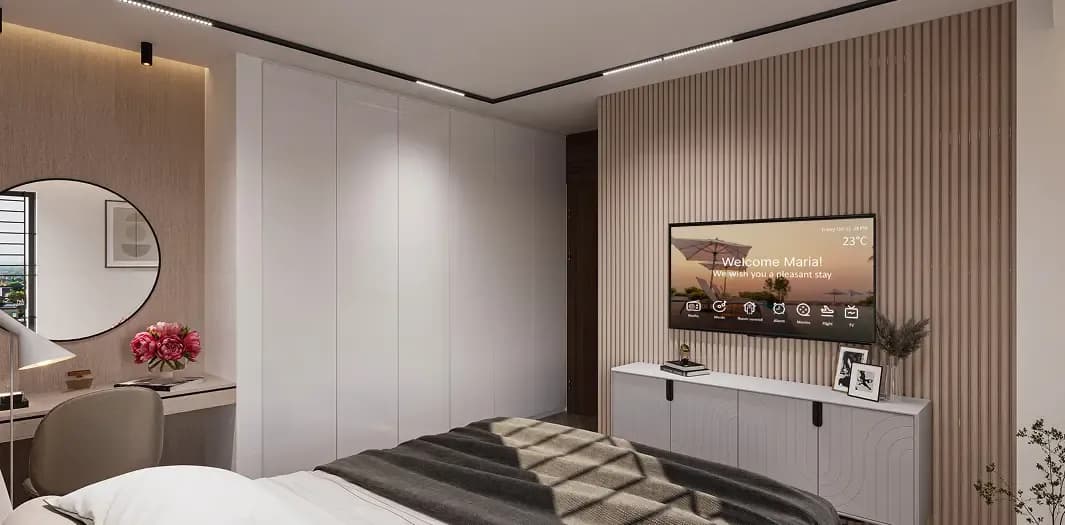
Guests expect a personalized and tech-enabled stay, and HotelSmarters delivers with interactive TV solutions and in-room control that eliminate outdated cable TV. With smart TVs and casting capabilities, travelers can seamlessly stream content from their mobile devices, accessing Netflix, YouTube, or Spotify just as they would at home.
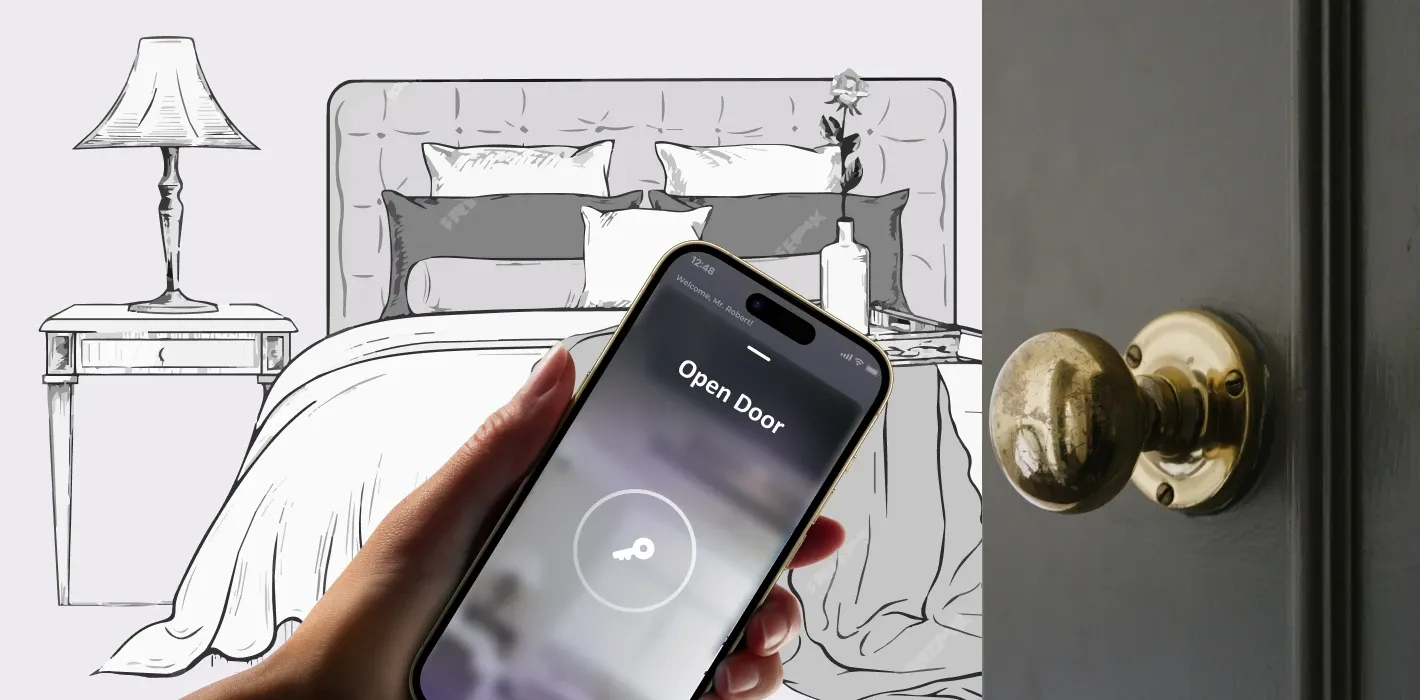
In-room controls allow guests to adjust lighting, temperature, and entertainment hands-free, creating a highly customizable experience. Meanwhile, mobile key access and contactless check-ins reduce wait times at the front desk, offering a frictionless arrival process. These features not only enhance guest comfort but also increase security and operational efficiency.
Lifestyle hotels are redefining modern hospitality by merging bold design, immersive experiences, and cutting-edge technology. For hoteliers, adapting to this trend is key to remaining competitive in a market where guests seek more than just a place to sleep.
With a focus on personalization, tech-forward solutions, and cultural authenticity, lifestyle hotels aren't just the future of hospitality-they're the present. If your hotel isn't upgrading the guest experience with technology and locally inspired offerings, you're falling behind.
Stay ahead in the hospitality industry by investing in smart hotel solutions. Get in touch with HotelSmarters' experts to see how technology can turn your hotel into a lifestyle-driven experience.

Product Owner
Andranik is a Product Owner specializing in OTT, IPTV, and FAST technologies at inoRain. He leads the development of scalable, end-to-end streaming solutions that enhance video delivery and monetization. His work bridges technical innovation with real business impact, helping platforms and the hospitality sector optimize performance, user experience, and operational efficiency.